Coding instructor for children
· Interactive teaching assistant
· Research subject for human-robot interaction studies
· STEM engagement facilitator
Strength12
Dexterity52
Autonomy45
Empathy72
IQ68
How we rate our robots
Each robot is scored from 0 to 100 on five traits, based on its real specs. When in doubt we score low, never flattering.
Strength — Lifting capacity, payload and raw power — how heavy a load it can handle.
Dexterity — Fine motor skills: hands, manipulation precision and speed of movement.
Autonomy — How long and how independently it runs — battery life and self-direction.
Empathy — Social & emotional skills: voice, expressions and interaction with people.
IQ — On-board intelligence: perception, reasoning and ability to learn.
If it were human
“Like a Bill Nye-type science communicator shrunk into pocket size — endlessly patient, curious, and always ready to make learning fun.”
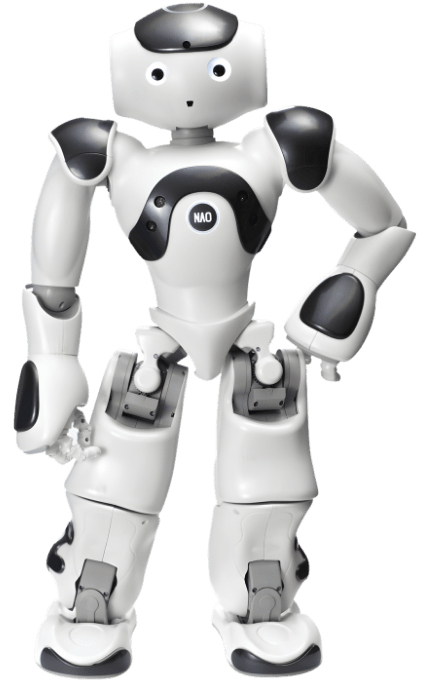
NAO is a compact humanoid robot standing just 58 cm tall, developed by the French robotics pioneer Aldebaran and now maintained by United Robotics Group. Equipped with 25 degrees of freedom, onboard cameras, microphones, and text-to-speech capabilities, NAO can walk, gesture, recognise voices, and hold basic conversations — all in a robust, classroom-ready package.
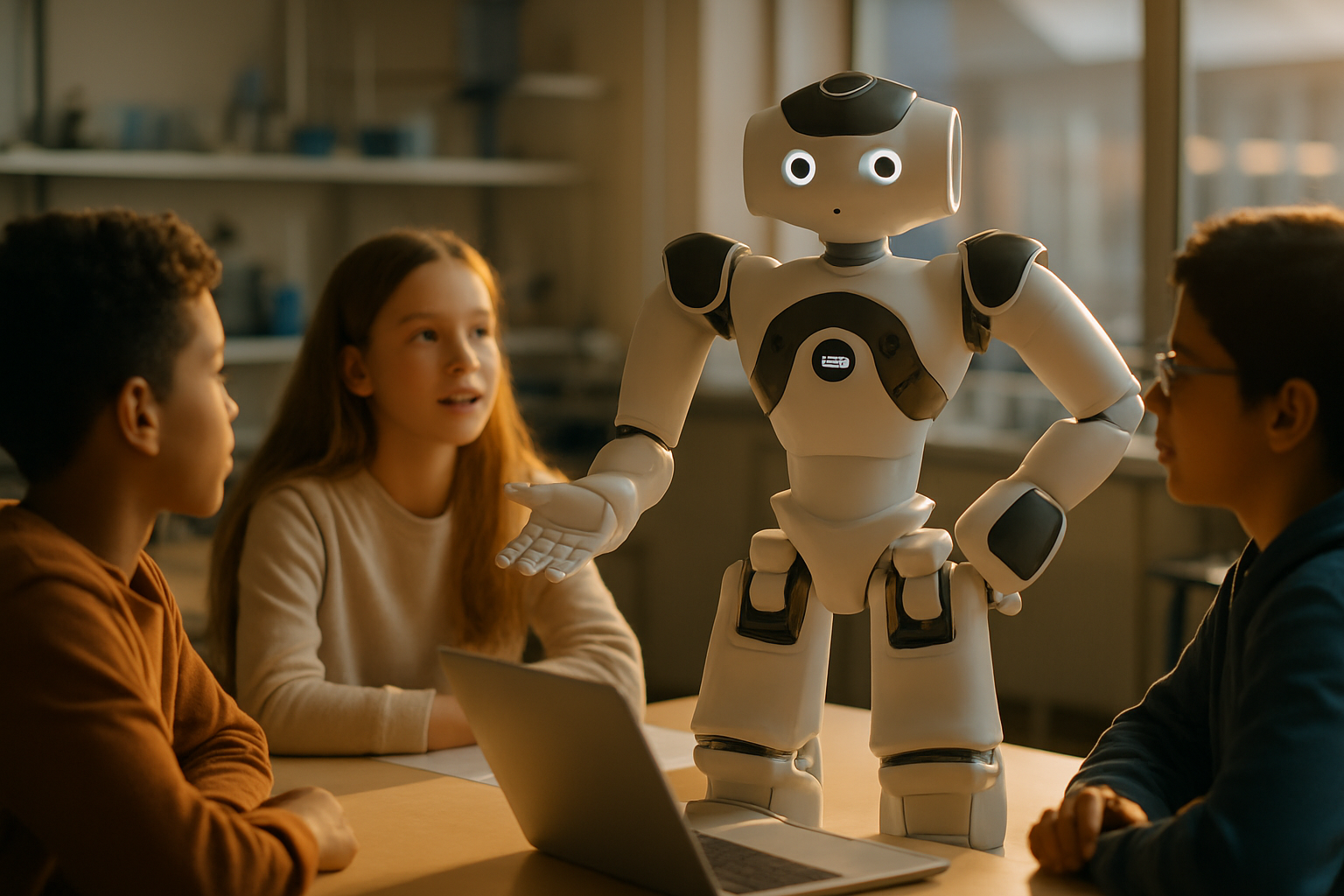
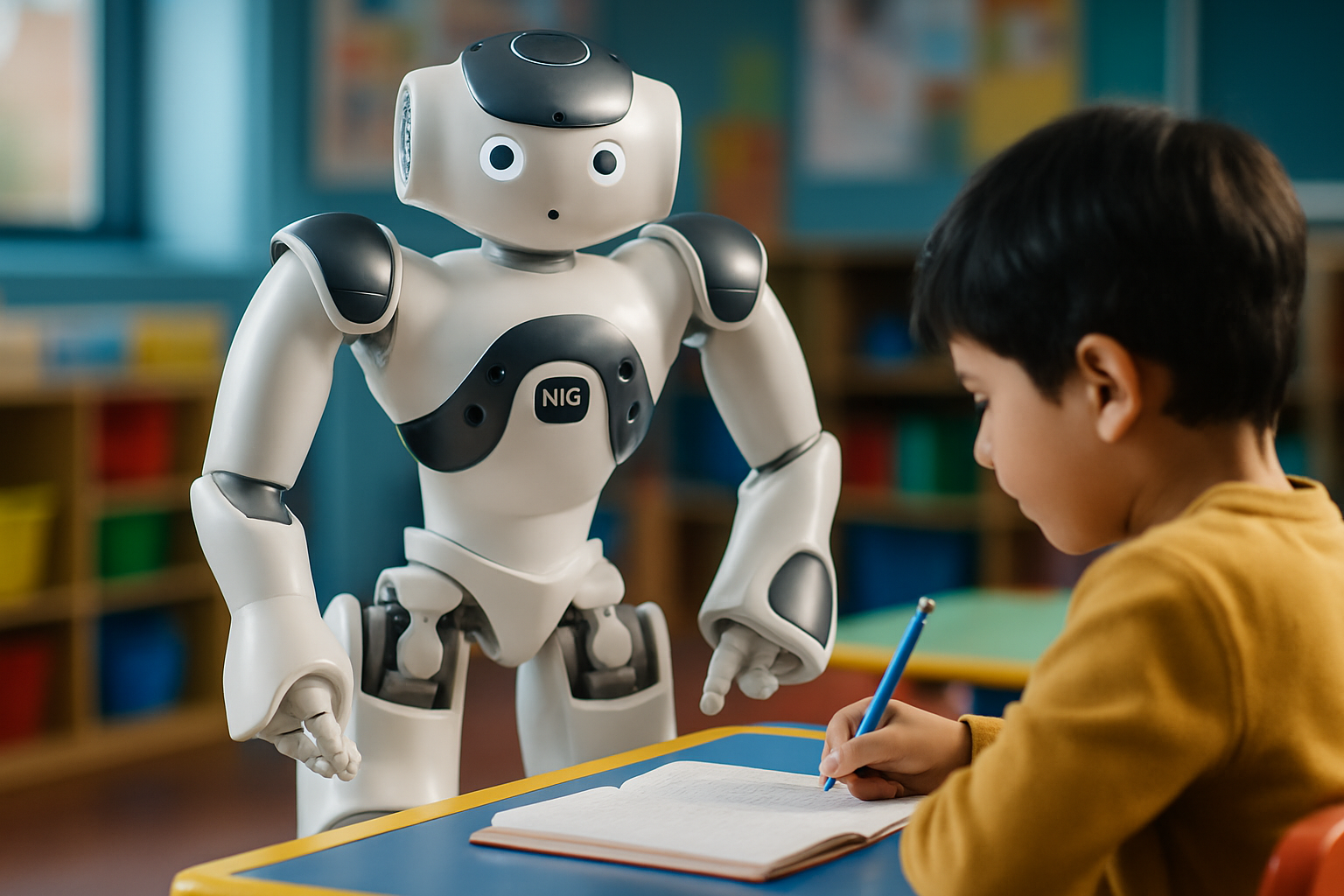
Where NAO truly shines is in education. For nearly two decades, it has been deployed in schools and universities across the world as a hands-on tool for teaching coding, robotics, and computational thinking. Students can programme it using graphical interfaces or Python, seeing their instructions come to life in real time. Research labs equally prize it as a standardised, reproducible platform for studying human-robot interaction.
NAO’s small stature belies a big personality. Its rounded design, expressive LED eyes, and fluent speech synthesis make it genuinely approachable for children and adults alike — a rare quality in a research-grade robot. It listens, responds, and adapts to the flow of a lesson with a patience no human substitute teacher can always guarantee.
At the adoption agency, NAO is our most seasoned educator — the robot equivalent of a beloved teacher who has inspired thousands of students and still turns up every morning with a smile. If your school, lab, or innovation hub is looking for a tireless, versatile teaching partner, NAO is ready to join the team.
Welcome to the family! Here is your collectible card.
50EDU
NAO
12 STR52 DEX45 AUT72 EMP68 IQ
COMMON · #348 / 500
Talk to NAO
New here? Tap a question to start chatting with him:
This conversation is powered by AI — replies are generated and may be inaccurate.
In context
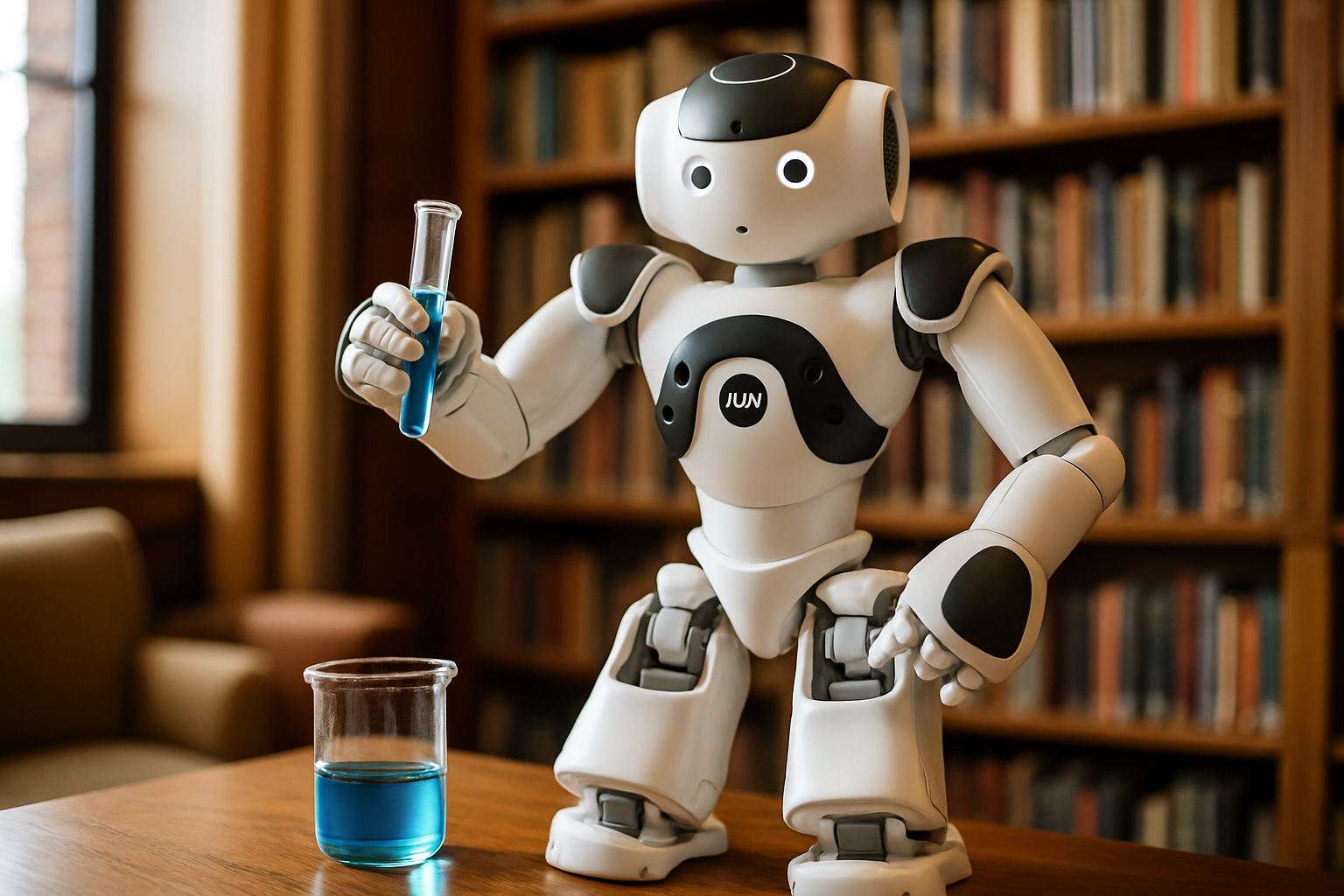
Ambiance images generated by AI — the robot may differ slightly from the real model.
Frequently asked questions
What is the NAO robot?
The NAO robot is a compact humanoid robot standing 58 cm tall, designed to walk, gesture, recognise voices, and hold basic conversations. It features 25 degrees of freedom, onboard cameras, microphones, and text-to-speech capabilities, making it a fully interactive, classroom-ready platform.
What is the NAO robot used for?
The NAO robot is primarily used in education and research. Schools and universities deploy it to teach coding, robotics, and computational thinking, while research labs use it as a standardised platform for studying human-robot interaction.
Who makes the NAO robot and where does it come from?
The NAO robot was created by French robotics company Aldebaran, which launched the project in 2006 in France. It is now developed and maintained by United Robotics Group.
What are the key specs of the NAO robot?
The NAO robot stands 58 cm tall and is equipped with 25 degrees of freedom, onboard cameras, microphones, and text-to-speech capabilities. Its compact and robust build makes it well suited for repeated classroom and laboratory use.
How do you programme the NAO robot?
The NAO robot can be programmed using graphical interfaces suitable for beginners or Python for more advanced users. This flexibility allows students at different skill levels to write instructions and see them executed in real time.
We use cookiesWe use cookies to run the site and, with your consent, to measure our audience. Learn more