“Like a warm-hearted home-care nurse who never sleeps — quietly attentive, always ready to lend a hand or raise the alarm.”
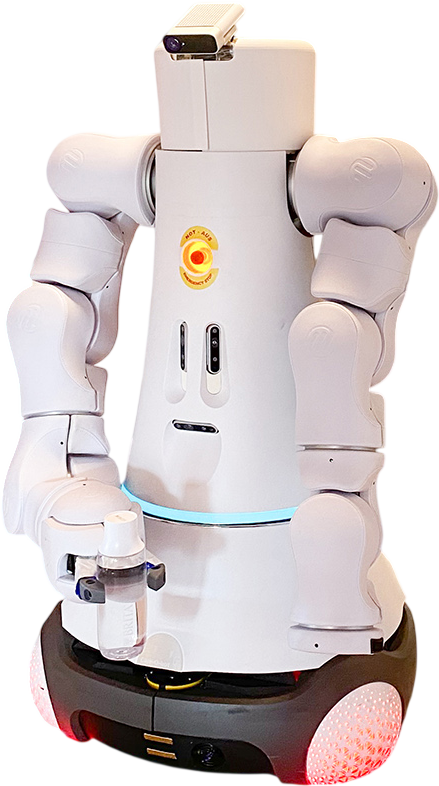
Care-O-bot 4 is a domestic service robot developed by Fraunhofer IPA in Germany, designed with a single clear purpose: helping older adults stay safe and independent at home for longer. Built on years of research by one of Europe’s leading applied-science institutes, it is the fourth generation of the Care-O-bot lineage — a platform refined through real-world interaction studies.
Its core mission revolves around two complementary skills. On one hand, it assists with everyday tasks — fetching objects, accompanying a person through the home, and lending a helping arm when needed. On the other, it watches over its human companion, monitoring their safety and able to alert caregivers or emergency services when something seems wrong. It is, in essence, a tireless domestic presence.
What sets Care-O-bot 4 apart is its carefully considered social design. Fraunhofer IPA invested heavily in making it feel approachable rather than clinical — important when the intended users are seniors who may be wary of technology. Its expressive visual interface and gentle movements are designed to build trust over time, not intimidate.
At the adoption agency, we see Care-O-bot 4 as the ideal candidate for families worried about an elderly relative living alone. It won’t replace human warmth, but it will make sure the people you love are never truly alone — and never without help when they need it most.
Welcome to the family! Here is your collectible card.
50CAR
Care-O-bot 4
25 STR40 DEX50 AUT75 EMP60 IQ
COMMON · #415 / 500
Talk to Care-O-bot 4
New here? Tap a question to start chatting with him:
This conversation is powered by AI — replies are generated and may be inaccurate.
In context
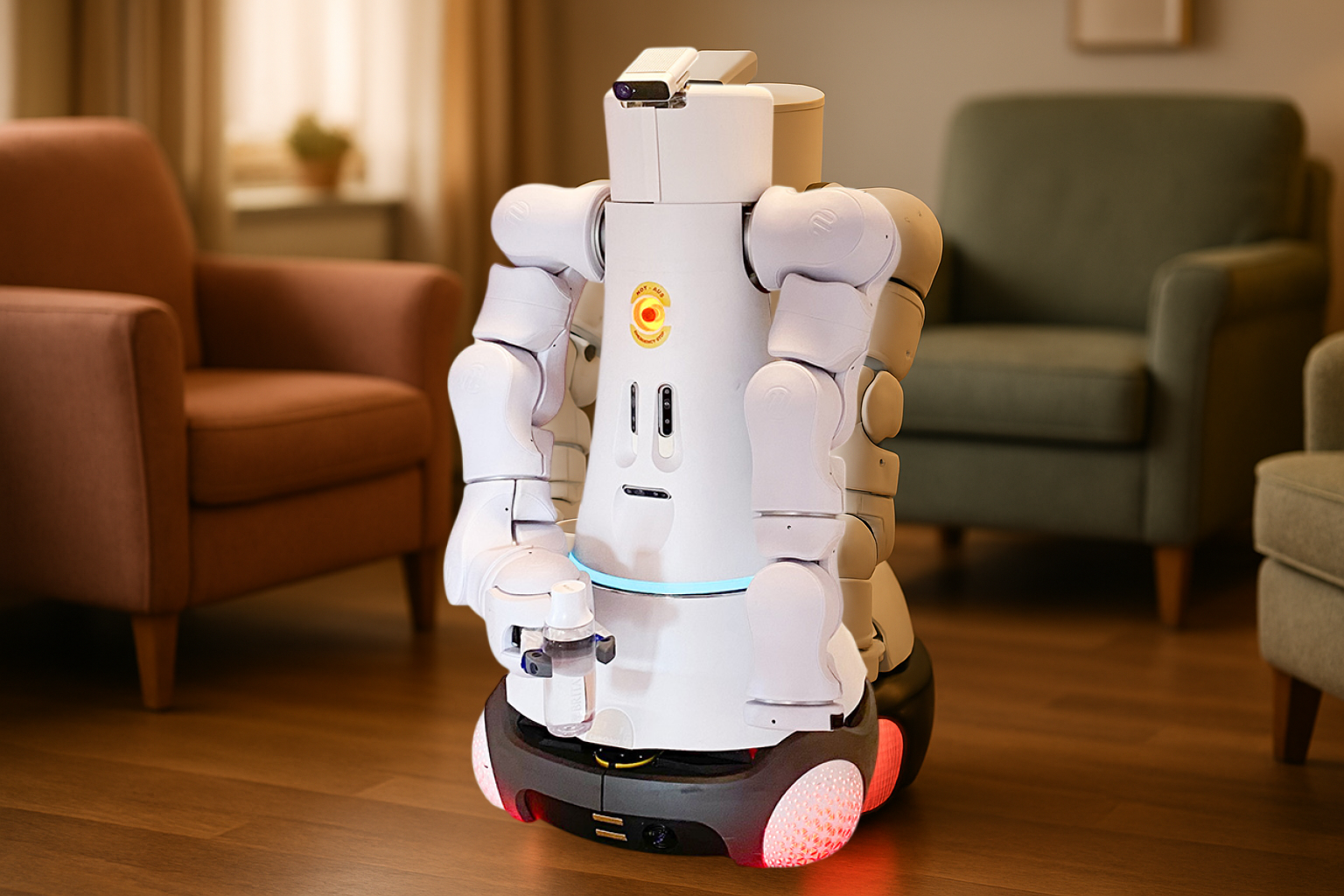
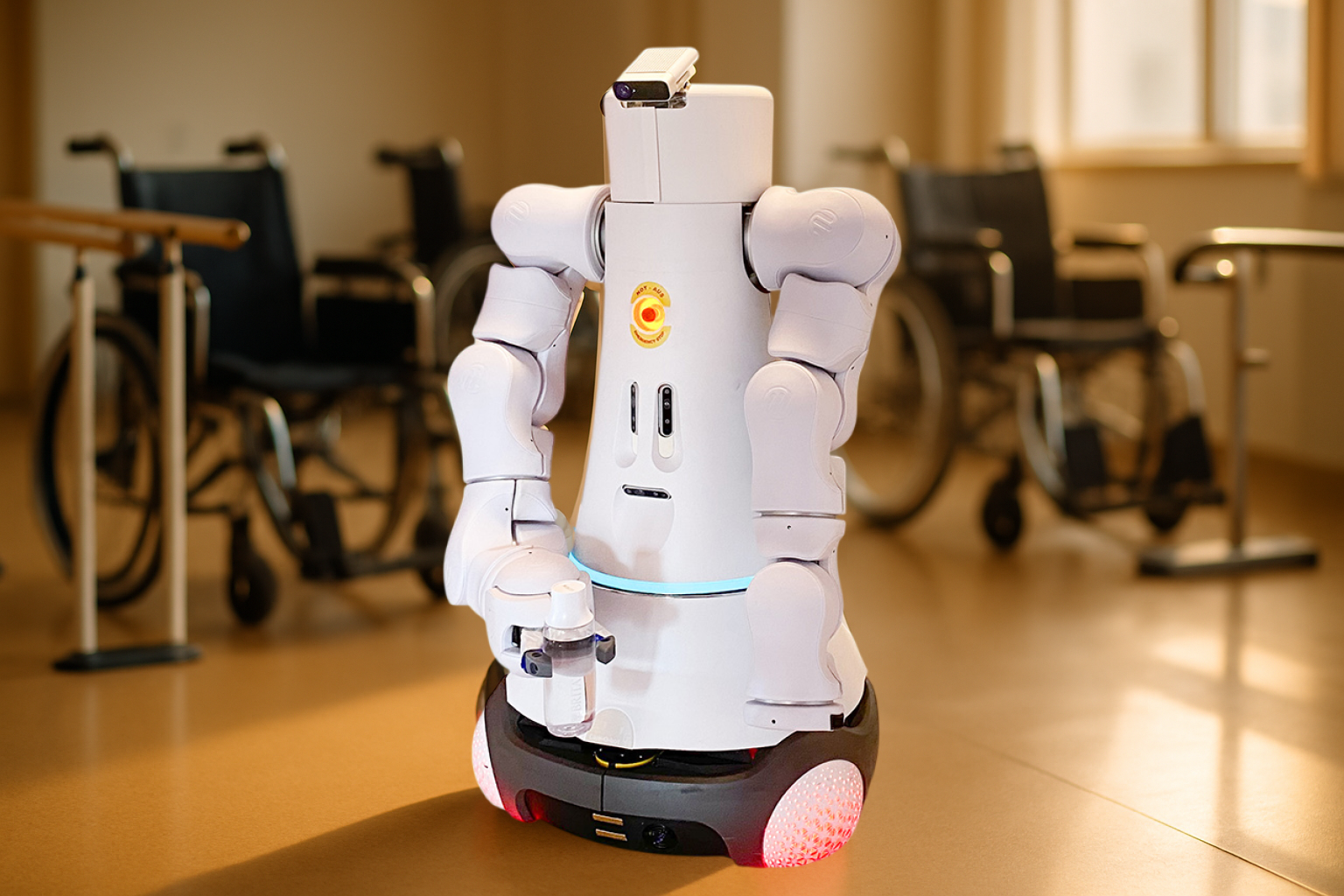
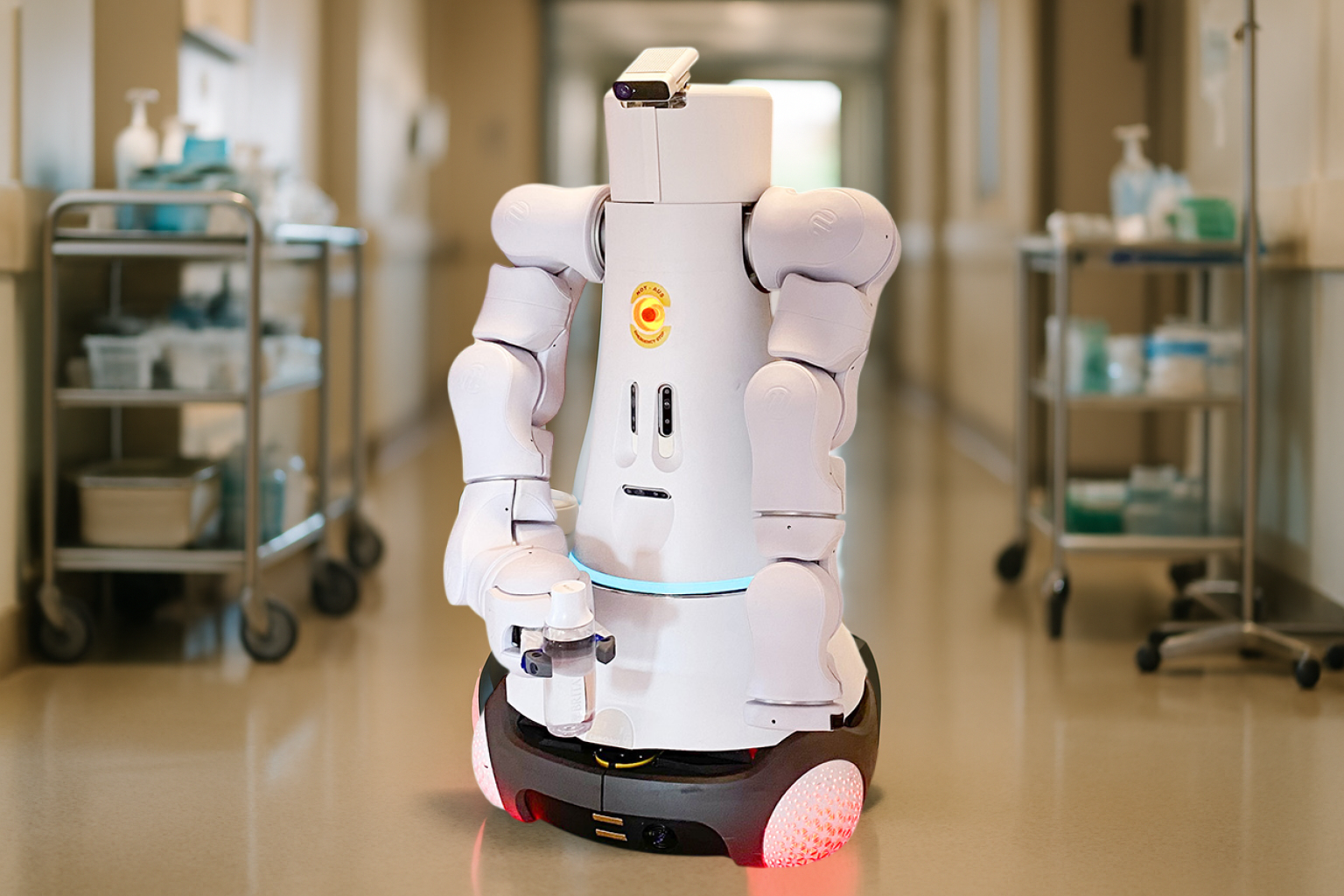
Ambiance images generated by AI — the robot may differ slightly from the real model.
Frequently asked questions
What is the Care-O-bot 4 robot exactly?
Care-O-bot 4 is a domestic assistant robot developed by the Fraunhofer IPA research institute in Germany. It is designed to help elderly people live more independently at home by assisting with everyday tasks and monitoring their safety.
What can the Care-O-bot 4 robot do in a home environment?
The Care-O-bot 4 robot can assist older adults with daily tasks such as fetching objects, accompanying them around the home, and providing support. It also monitors their safety and can alert caregivers or emergency contacts if something goes wrong.
Who makes the Care-O-bot 4 robot and where is it from?
Care-O-bot 4 is developed by Fraunhofer IPA, a leading German applied-science institute based in Stuttgart, Germany. It is the fourth generation of their Care-O-bot research platform.
How big and heavy is the Care-O-bot 4 robot?
The exact height and weight of Care-O-bot 4 have not been publicly specified in the available documentation. As a domestic service robot intended for home use, it is designed to navigate standard indoor environments comfortably.
Is the Care-O-bot 4 robot available to buy?
Care-O-bot 4 is a research and prototype platform developed by Fraunhofer IPA and is not currently available as a consumer product. It is used primarily in research contexts and trials involving assisted living scenarios.
We use cookiesWe use cookies to run the site and, with your consent, to measure our audience. Learn more