“Like a bear-sized nurse with the patience of a saint — think the physical reassurance of a rugby player combined with bedside warmth.”
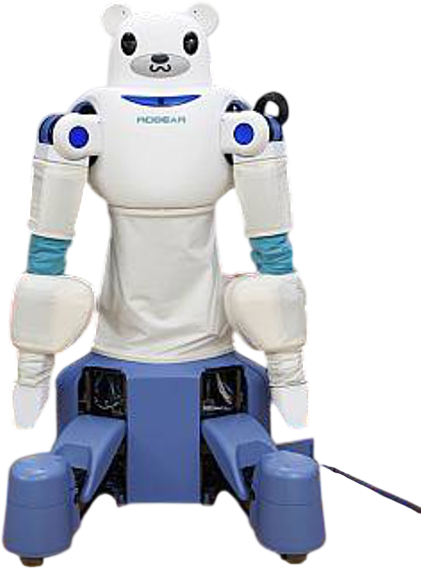
Robear is an experimental nursing-care robot developed by RIKEN, one of Japan’s most respected research institutions. Built to address the very real physical demands of caring for an ageing population, Robear’s most defining trait is right there in its name: a deliberately bear-like face, designed to feel approachable and comforting rather than clinical or cold. It is purpose-built to lift and transfer patients — from bed to wheelchair, or from seated to standing — a task that causes a disproportionate number of back injuries among human caregivers every year.
What Robear genuinely does well is the heavy lifting. Its sturdy actuator-driven arms are engineered to bear the weight of a full adult patient safely, reducing the physical toll on nursing staff who otherwise perform dozens of such transfers per shift. The bear aesthetic is not purely cosmetic: RIKEN researchers found that patients responded more positively to a rounded, animal-inspired face than to a more mechanical appearance, making the experience of being lifted feel less intimidating.
At the adoption agency, Robear occupies a very specific and honourable niche: it is the dependable strong arm that a care home or hospital rehabilitation ward needs on the night shift, when staffing is thin and bodies are tired. It is not a conversationalist, and its onboard decision-making is limited to its core task. But for any facility struggling with caregiver burnout and patient-handling injuries, Robear is a prototype worth watching closely. Think of it as the reliable colleague who never complains about the heavy work.
Welcome to the family! Here is your collectible card.
54CAR
Robear
78 STR45 DEX35 AUT72 EMP38 IQ
COMMON · #373 / 500
Talk to Robear
New here? Tap a question to start chatting with him:
This conversation is powered by AI — replies are generated and may be inaccurate.
In context
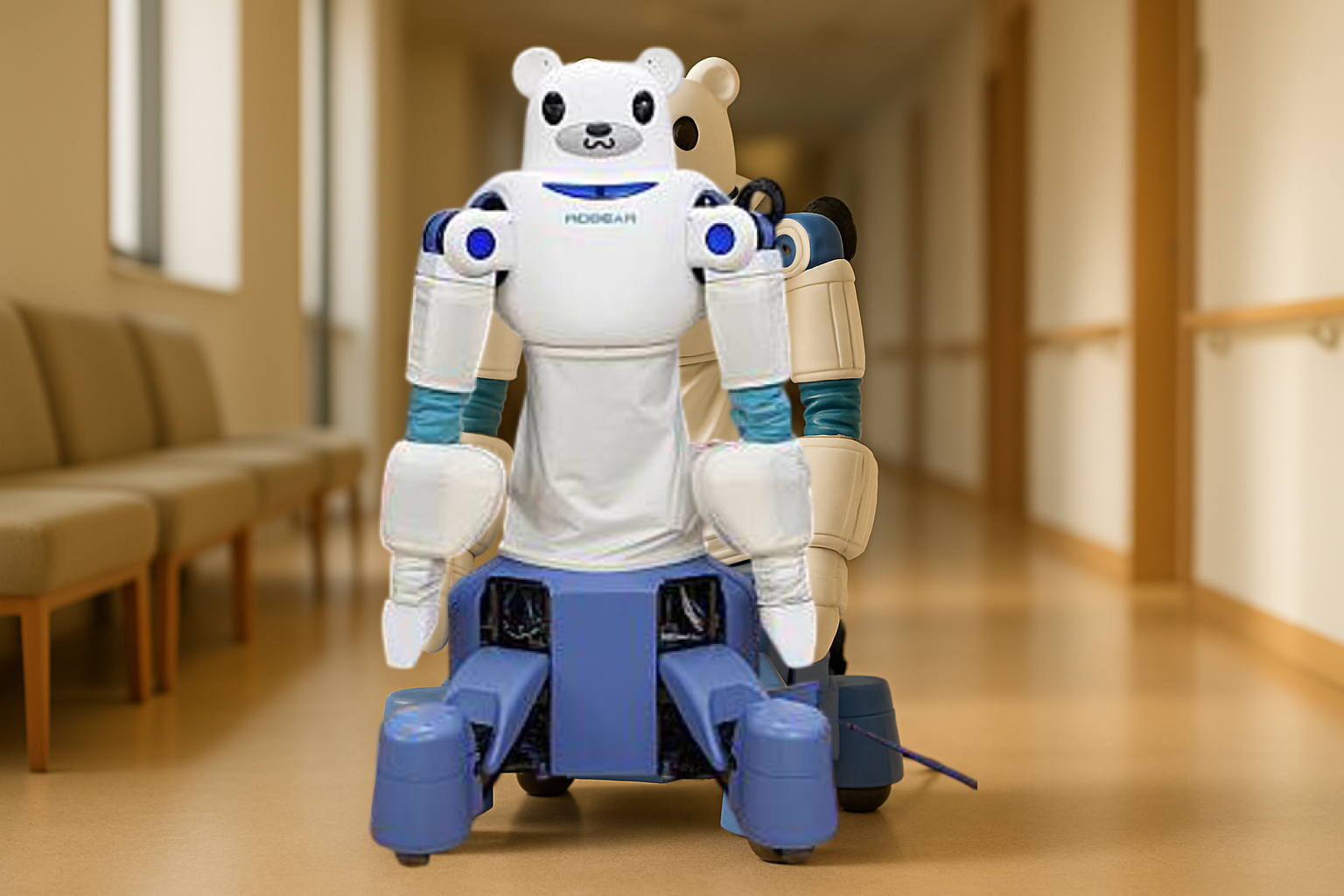
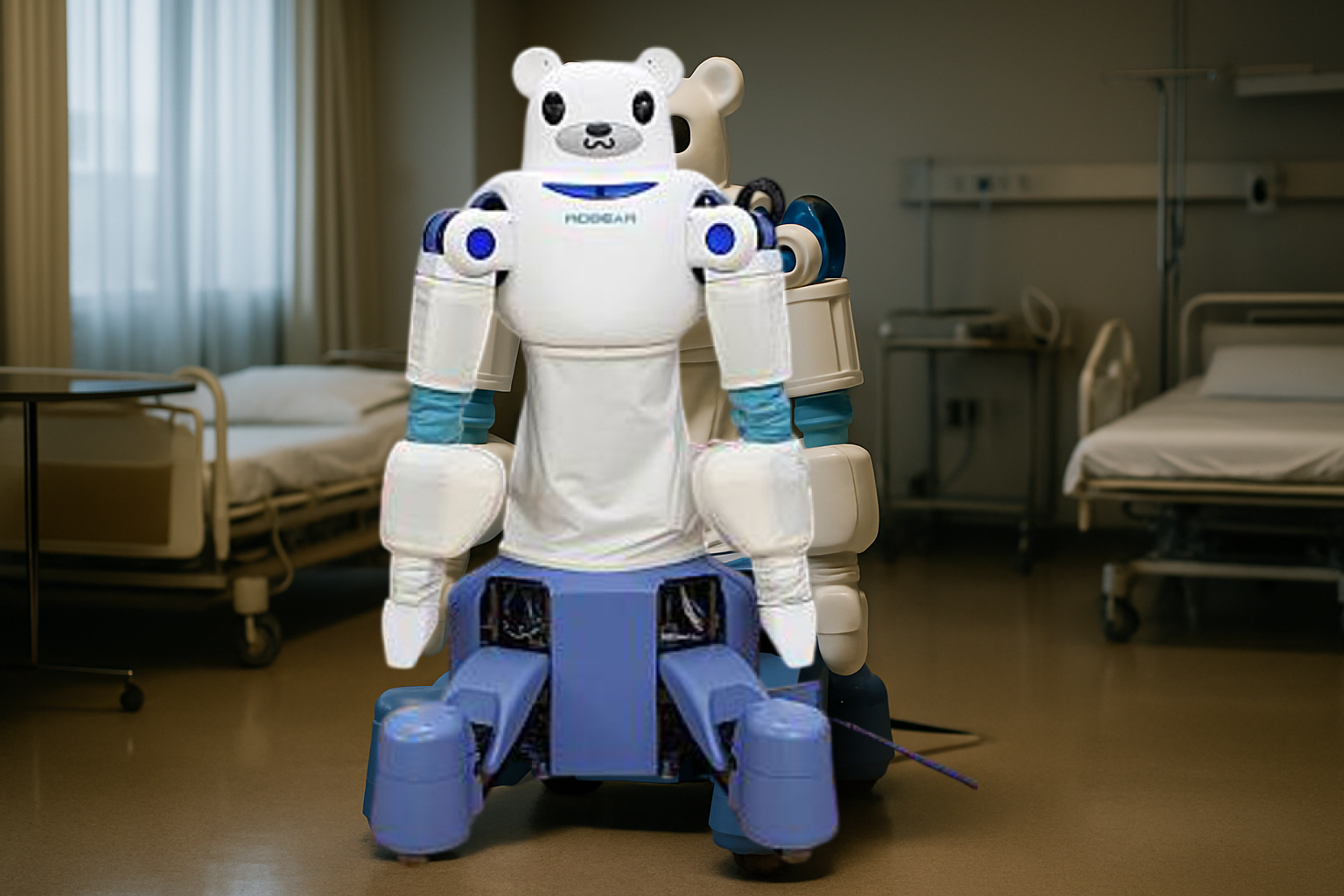
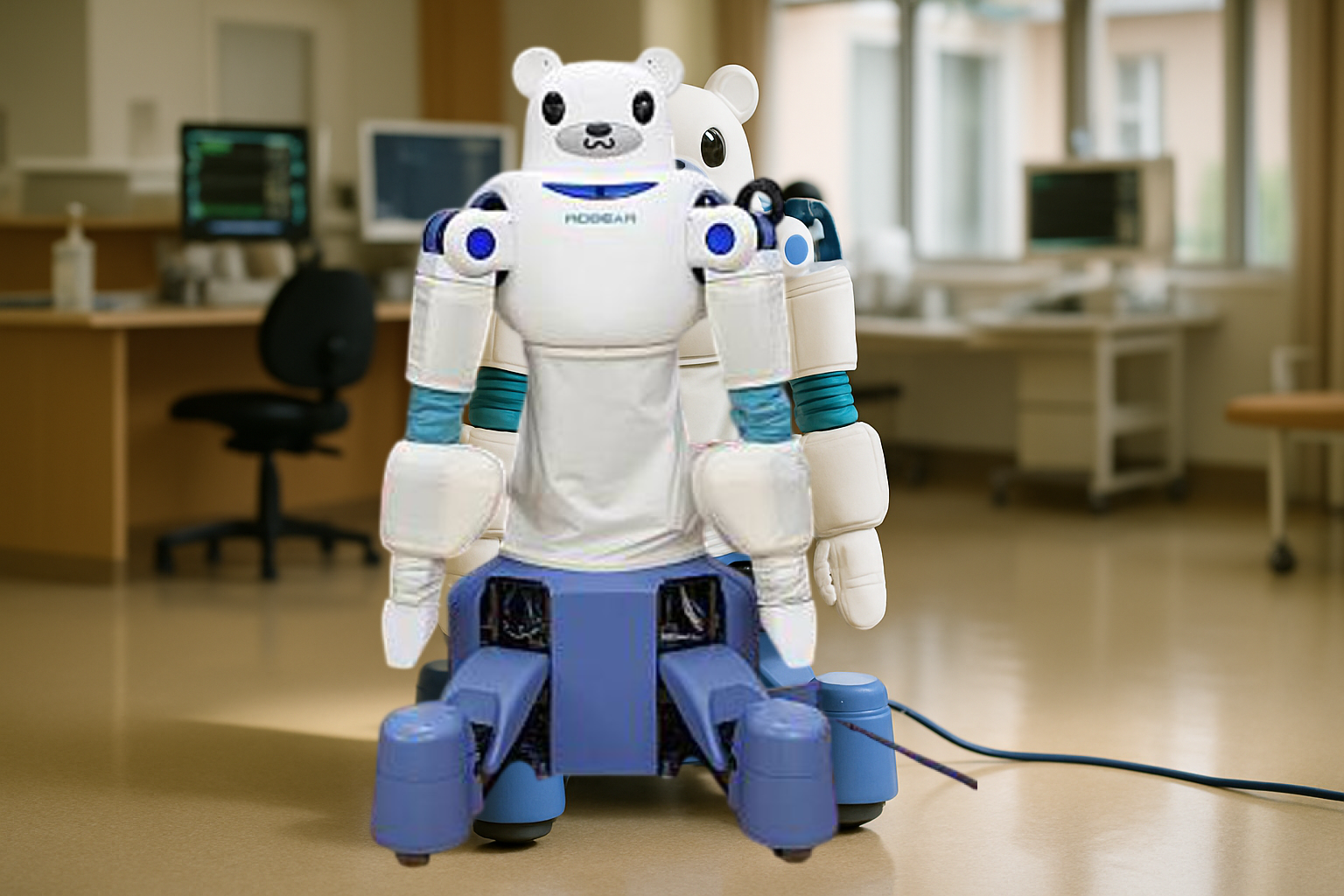
Ambiance images generated by AI — the robot may differ slightly from the real model.
Frequently asked questions
What is the Robear robot designed to do?
The Robear robot is designed to lift and transfer patients in nursing-care settings, for example moving a person from a bed to a wheelchair. It was developed to reduce the physical strain and injury risk faced by human caregivers who perform these tasks repeatedly.
Who built the Robear robot and where does it come from?
The Robear robot was developed by RIKEN, a major Japanese research institute. It is a Japanese project, reflecting Japan's strong focus on robotics solutions for an ageing society.
Why does the Robear robot have a bear-like face?
RIKEN researchers gave the Robear robot a rounded, bear-inspired appearance because studies showed patients found it more approachable and less intimidating than a mechanical-looking machine. The design choice is intentional and rooted in patient comfort.
What are the height and weight of the Robear robot?
The exact height and weight of the Robear robot have not been officially published in the available specifications. It is a sizeable nursing-care robot built to support the weight of adult patients.
Is the Robear robot available to buy?
The Robear robot remains an experimental prototype and is not commercially available for purchase at this time. It was created for research purposes to explore how robots can assist in elderly care.
We use cookiesWe use cookies to run the site and, with your consent, to measure our audience. Learn more