Skip to content
adoptarobot
Caregivers In production PARO — official manufacturer visual
PARO

Intelligent System / Takanori Shibata (AIST)

“A seal-shaped interactive companion”

Can stand in for

A seal-shaped interactive companion

Strength 5
Dexterity 10
Autonomy 40
Empathy 95
IQ 30
How we rate our robots

Each robot is scored from 0 to 100 on five traits, based on its real specs. When in doubt we score low, never flattering.

  • Strength — Lifting capacity, payload and raw power — how heavy a load it can handle.
  • Dexterity — Fine motor skills: hands, manipulation precision and speed of movement.
  • Autonomy — How long and how independently it runs — battery life and self-direction.
  • Empathy — Social & emotional skills: voice, expressions and interaction with people.
  • IQ — On-board intelligence: perception, reasoning and ability to learn.

If it were human

“A seal-shaped interactive companion”

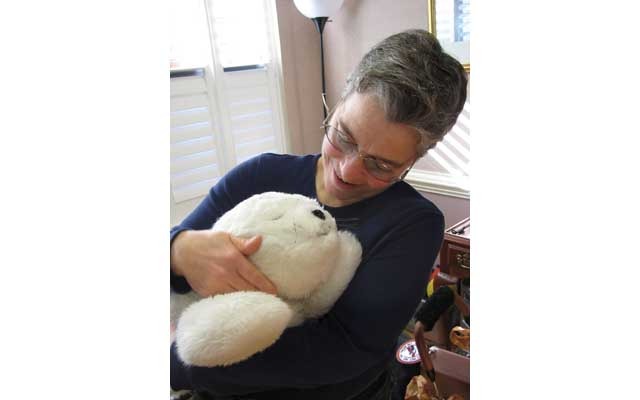
PARO is a seal-shaped interactive robot invented by Takanori Shibata through research at AIST in Japan. It reacts to touch, sound and handling with movements and vocalisations, and is used in supervised care activities.

Any therapeutic use depends on the person, professional protocol and local regulatory context. This catalogue does not promise symptom reduction or medication changes. Care teams must assess suitability, hygiene and supervision.

Official source

Tech sheet

Creator
Intelligent System / Takanori Shibata (AIST)
Country
Japan
Type
Therapeutic companion robot
Weight
2.7 kg
Status
In production
See at the manufacturer
Features
  • Touch sensors
  • Sound sensors
  • Light sensors
  • Expressive movement
  • Soft fur cover
  • Vocalization

Watch

Talk to PARO

New here? Tap a question to start chatting with him:

This conversation is powered by AI — replies are generated and may be inaccurate.

Frequently asked questions

What is this robot?

PARO is a seal-shaped interactive robot invented by Takanori Shibata through research at AIST in Japan. It reacts to touch, sound and handling with movements and vocalisations, and is used in supervised care activities.

What are its limits?

Any therapeutic use depends on the person, professional protocol and local regulatory context. This catalogue does not promise symptom reduction or medication changes. Care teams must assess suitability, hygiene and supervision.

Who developed it?

AIST (National Institute of Advanced Industrial Science and Technology)

Where are the official details?

See the linked manufacturer documentation; capabilities and versions must be checked against that source.

Can I buy or deploy it?

Confirm model, availability, territory and support directly with the manufacturer. A catalogue entry is not a sales offer.